Home › Puglia by bike: a guide to the region
Puglia by bike: a guide to the region
Puglia, the heel of Italy, is one of Europe's best regions for cycling and walking holidays: gently rolling rather than mountainous, with 800 km of coastline, a mild Mediterranean climate and quiet back roads between olive groves. Each area rides differently, from the flat Salento to the hills of the Itria Valley and the steep Gargano, and the best months are April, May, September and October.
The Itria Valley: trulli and white towns
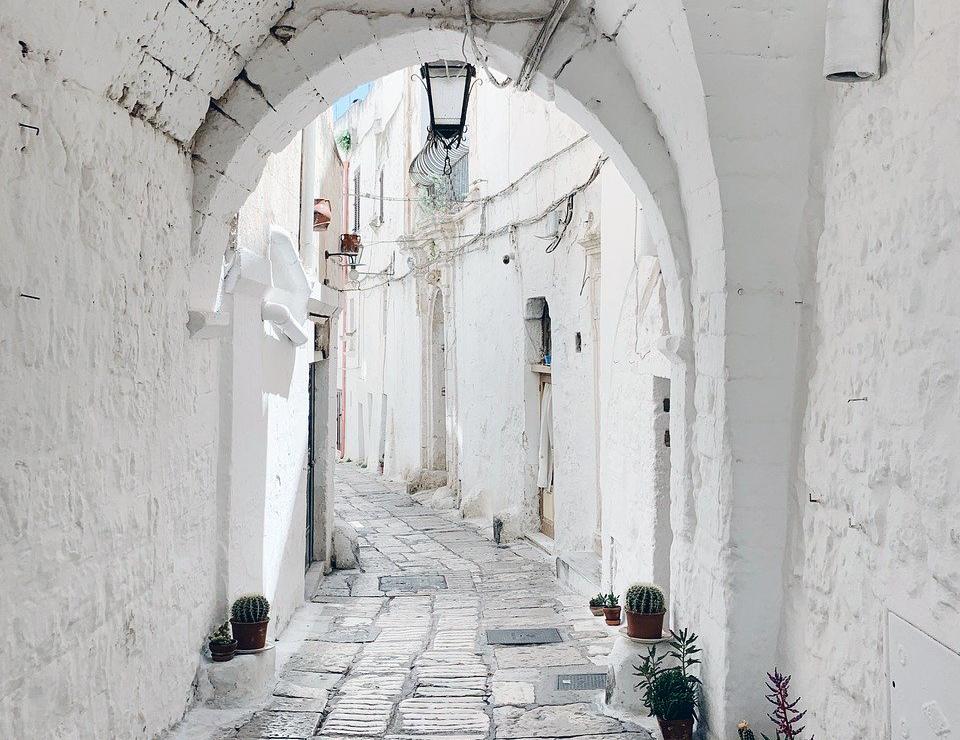
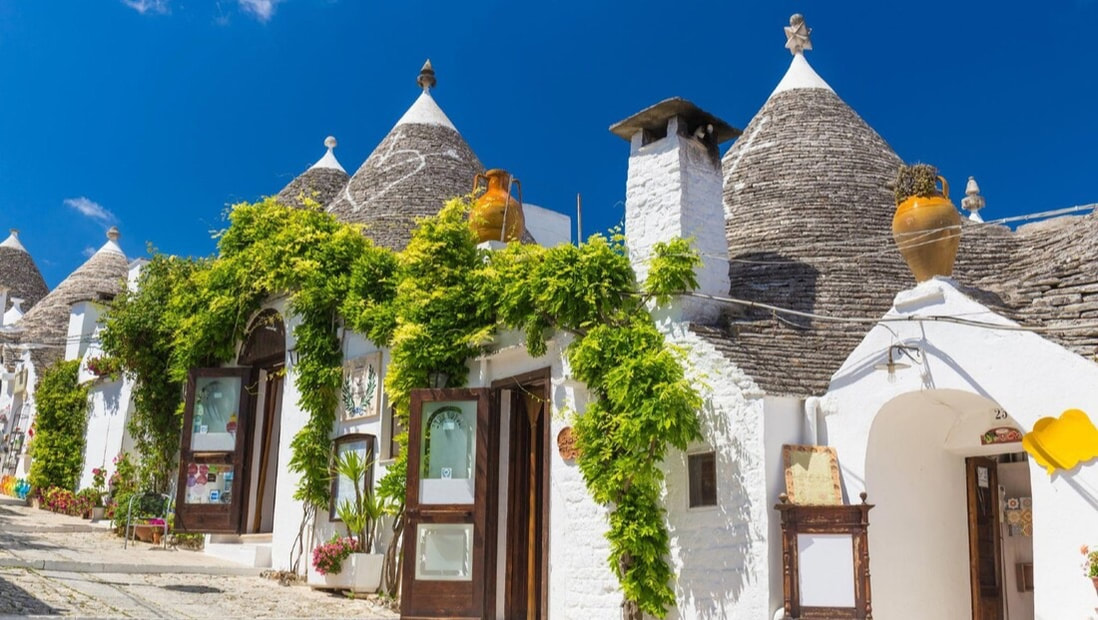
Between Bari and Brindisi lies the Puglia of the postcards: the trulli of Alberobello, a UNESCO World Heritage Site, and the white hilltop towns of Ostuni, Cisternino, Locorotondo and Martina Franca, linked by lanes lined with drystone walls and olive trees.
The riding is rolling rather than flat. Days are short but the climbs into the towns are steep: Ostuni to Alberobello is only 38 km, yet it carries 615 m of climbing. An e-bike makes the valley easy for anyone.
Salento: Baroque Lecce and two seas
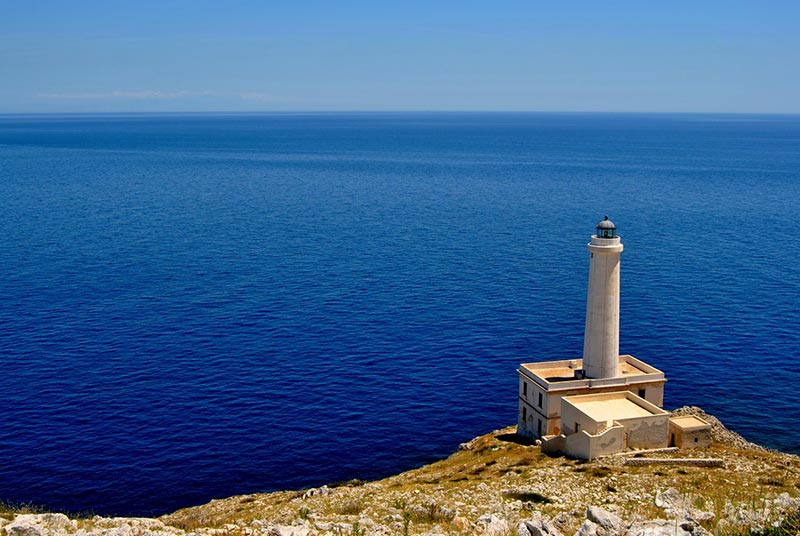
The southern tip of Puglia is the flattest and easiest part of the region, barely above sea level. Lecce, the Baroque capital of Salento, is the starting point; from there the roads lead to Otranto on the Adriatic, Gallipoli on the Ionian Sea and Santa Maria di Leuca, where the two seas meet.
Red earth, prickly pears, golden beaches and rocky coves make it the classic choice for a first cycling holiday, with a swim stop on most days. The Adriatic cliffs between Leuca and Otranto are the one demanding stretch.
The Murgia and Matera: castles and ravines
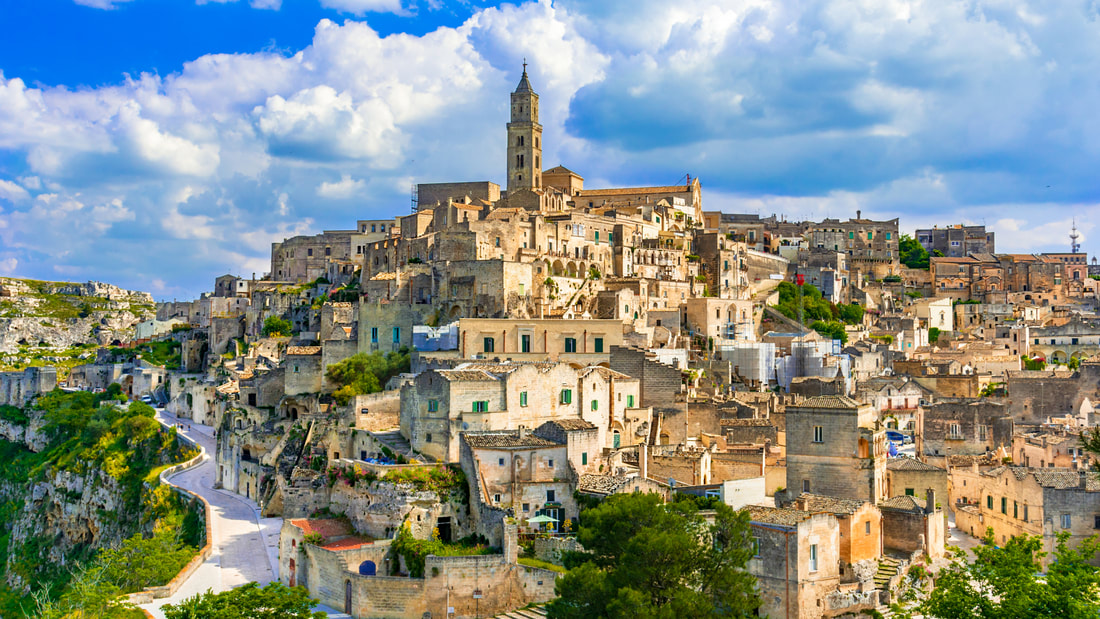
Inland from Bari the land rises to the Murgia plateau, between 400 and 600 metres. This is the country of Romanesque cathedrals, rock churches and medieval castles, with the octagonal Castel del Monte, a UNESCO site, standing on its hill. Just across the border in Basilicata, the Sassi of Matera are carved into the side of a ravine.
Villages are far apart here, so carry enough water, and expect it to be several degrees colder than the coast in winter.
The Gargano and the Adriatic coast
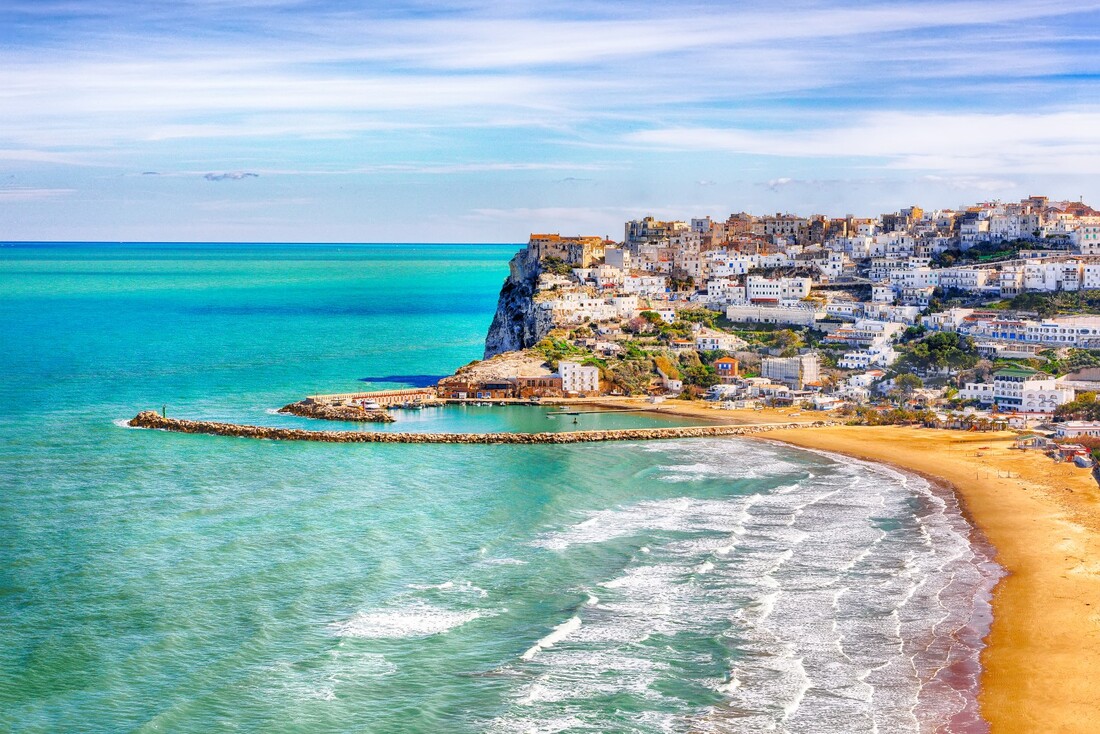
In the north, the Gargano promontory is a limestone massif rising straight out of the Adriatic: forest, sea stacks, Vieste, Peschici and Monte Sant'Angelo, with the Tremiti Islands offshore. It is the most spectacular coastline in Puglia and by far the hardest riding, with a 46 km day carrying 1,032 m of climbing.
Further south, the Adriatic coast strings together Trani and its cathedral by the sea, Bari, Polignano a Mare on its cliffs, Monopoli and Brindisi, where the Appian Way ended. The old Roman roads, the Via Traiana and the Via Appia, are now some of our favourite gravel routes.
When is the best time to cycle in Puglia?
Puglia is rideable almost all year, with a dry climate and more than 300 days of sunshine, but the best months are April and May (18–26 °C, green countryside) and September and October, when the sea is at its warmest and the crowds have gone. July and August regularly pass 30 °C on roads with no shade, so we only recommend them with dawn starts, short stages and an e-bike.
The factor few people expect is the wind, especially in spring on the open Murgia, southern Salento and the Adriatic coast. The Ionian side is warmer and more sheltered.
What to eat and drink in Puglia
Apulian cooking starts from simple, local ingredients: extra virgin olive oil, vegetables and wine. Try fave e cicoria, the regional dish of broad bean purée with wild chicory, orecchiette with cime di rapa, friselle with tomato and oregano, burrata, and the taralli sold in every bakery. Wines include the Primitivo of Manduria.
In Cisternino the butchers double as grill restaurants: you choose the meat at the counter and they cook it for you. October is the month of the olive presses and the first new oil.
| Area | Highlights | Level of our tours | Tours |
|---|---|---|---|
| Itria Valley | Trulli of Alberobello, Ostuni, Cisternino, Locorotondo, Martina Franca | Easy to moderate / moderate | The Apulian White Towns; From the Adriatic Sea to the Itria Valley |
| Salento | Lecce, Otranto, Gallipoli, Santa Maria di Leuca | Easy / easy to moderate | Tour of Salento; The Final Stretch of the Via Francigena (gravel) |
| Murgia and Matera | Castel del Monte, Sassi of Matera, rock churches, ravines | Challenging | The World Heritage Sites of Puglia and Basilicata; From Sassi of Matera to Salento |
| Gargano | Vieste, Peschici, Monte Sant'Angelo, Tremiti Islands | Challenging, the hardest we run | Tour of Gargano |
| Adriatic coast | Trani, Bari, Polignano a Mare, Monopoli, Brindisi | Easy to moderate / moderate | The Trajan Way by Bike (gravel); Cycling Loop Between Two Seas |
Frequently asked questions
Is Puglia good for cycling?
Yes. There are no mountains, the back roads are quiet and the climate is mild: typical stages run 40–70 km with 300–600 m of climbing.
What is the easiest area to cycle in Puglia?
Salento. It is mostly flat, and the Tour of Salento is our classic first bike holiday.
Which is the hardest area?
The Gargano, a limestone promontory where one 46 km day carries over 1,000 m of climbing.
What is the best month to cycle in Puglia?
May and September. April and October are also excellent; July and August are hot.
Is Matera in Puglia?
No. Matera is in Basilicata, just across the border, and several of our Puglia tours start there.
You may also be interested in
- The Apulian White Towns6 days / 5 nights · From € 770
- Tour of Salento6 days / 5 nights · From € 800
- The World Heritage Sites of Puglia and Basilicata8 days / 7 nights · From € 1,140
- Tour of Gargano8 days / 7 nights · From € 1,350
- From the Adriatic Sea to the Itria Valley8 days / 7 nights · From € 1,140
- When to go cycling in Puglia